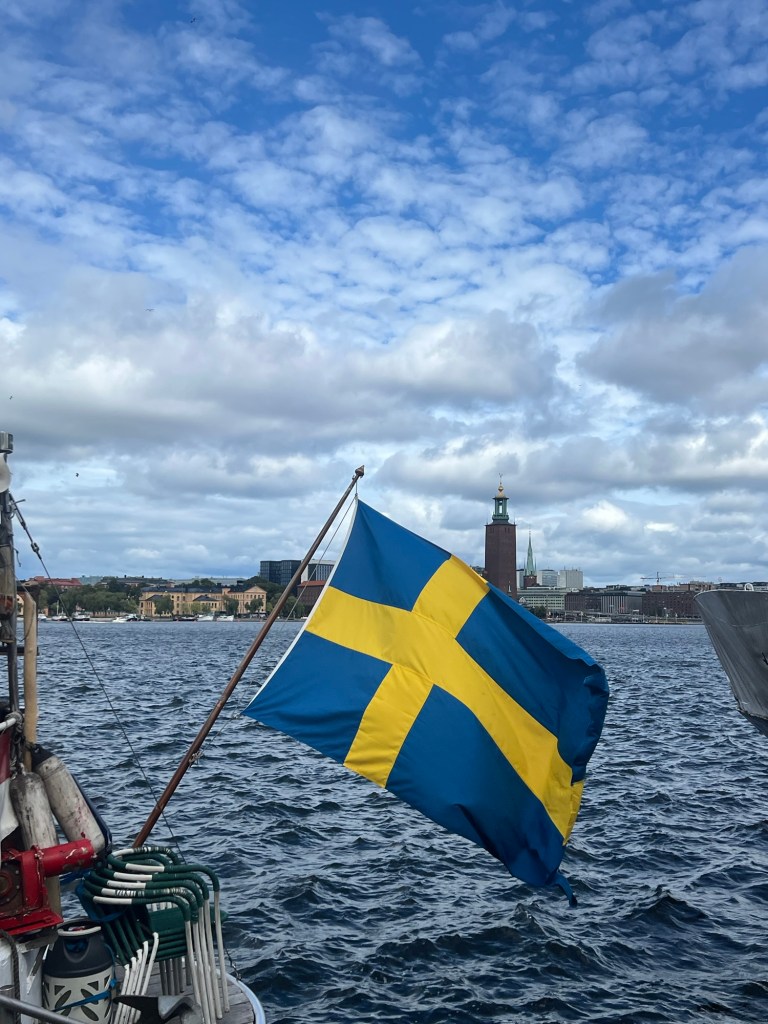
Today I ventured to Sweden, a country I’ve come to know relatively well through regular visits to my sister, who has been living here for the past six months. Like many, I’m a big fan of its fika culture and Ikea furniture. Similar to the other Nordics, Sweden consistently ranks near the top of the World Happiness Index, buoyed by its strong welfare system and high levels of social trust. My journey included stops in its two largest cities – Stockholm and Gothenburg – to meet firsthand with clinicians and public health experts to understand the local reality of youth health challenges.
- Socialstyrelsen – national programme
- Oral Health
- Nicotine pouch ‘Epidemic’
- Reflections
- Sweden in Pictures
Socialstyrelsen – national programme
My Swedish visit started with a stop at Socialstyrelsen (the National Board of Health and Welfare), the largest governmental health agency in Sweden. Over coffee and candy, I got speaking to Asa and Linnea. Sweden’s healthcare system is heavily devolved with 21 regions, each responsible for their own budgets, priorities and taxes. Governmental agencies largely provide recommendations to nudge behaviour: the team described this as much more ‘carrot than stick’. This offers regions space to innovately respond to local needs, but at times, can mean patchy accountability and inconsistencies.
In 2023, Socialstyrelsen was tasked by government with developing a national health programme for children, adolescents and young adults – from before birth to age 20. The goal? To provide more standardised measures that promoted health and prevented illness nationwide, focusing on upstream health promotion and prevention. To inform this, Asa described how they coordinated engagement from professional organisations across the country to inform this programme. They convened ~70 experts spanning school doctors, child nurses, nutritionists, managers, afterschool leaders and more – covering key stakeholders at every stage from pregnancy through to young adulthood. They began by working in focused age groups (infancy, early childhood, school age, adolescence) eventually merging their findings to set national priorities across the whole life course.
What struck me was that they didn’t stop there. The engagement extended to children themselves (even pre-schoolers!) to help shape what good health support should look like. The whole project, Asa explained is an effort to design “one programme that follows the child through life as a path – not working in silos”. The approach is relational and person-centered, mapping out the ideal life trajectory with a focus on health promotion.
Oral Health: From Decay to Prevention

“Saturdays are for candy” – is a phrase that started as public health recommendation in the 1950s after an extremely unethical study proved the link between excessive sugar intake and tooth decay. Despite its dark origins, the tradition was evolved into a weekly family ritual of lordagsgodis that Swedes, and other Nordics know and love today.
My meetings in Gothenburg turned to the topic of oral health. Starting with a chat to Gabriella and Jennifer about the FRAMM (Fluoride, Advice, Arena, Motivation, and Diet) programme, which was implemented in 2008 in the Västra Gotland Region.
The programme originated out of a need to join up approaches in the region to ensure every child had the best start for their teeth, whatever their postcode. During pregnancy, parents receive information brochures and, then at key milestones during the child development (like 6 months, 8 months) parents receive toothpaste and toothbrushes parcels. By school age, clinics systematically visit schools – twice yearly for most children but this increases for those facing additional challenges like special educational needs. The result? Coverage rates that reach an impressive 95%-98% across the region, declines in cavities and evidence of long term cost effectiveness.
Nicotine pouch ‘Epidemic’
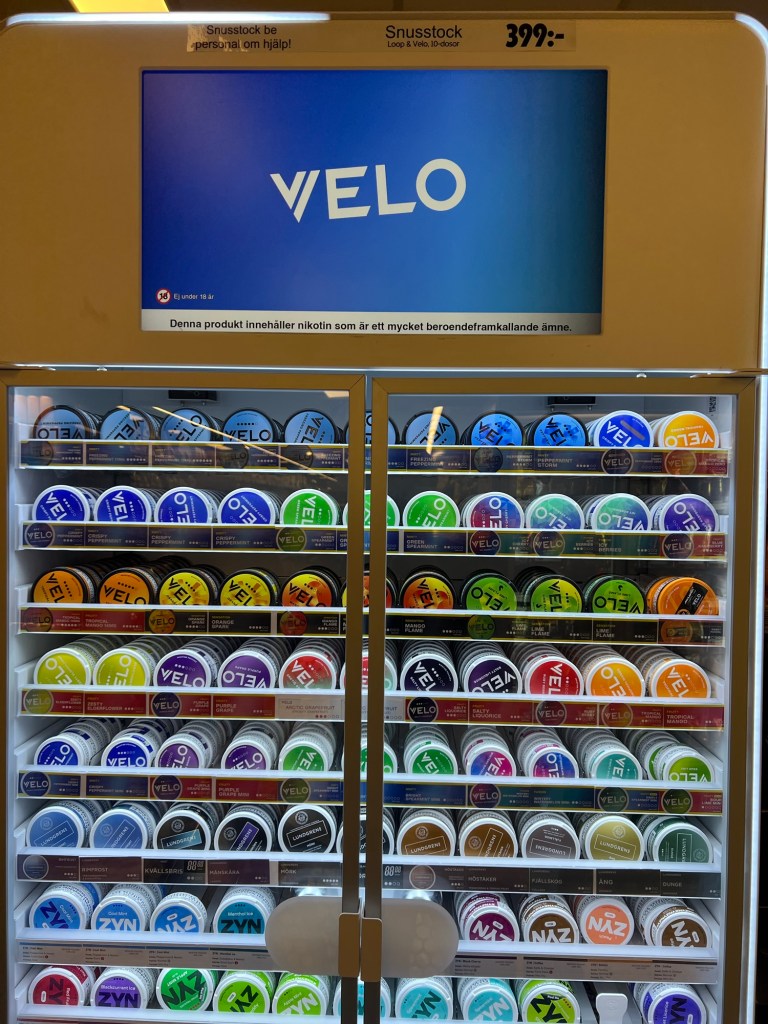
From pockets to pavements, nicotine pouches in Sweden are hard to miss. Sweden is the now the European hub of nicotine and home to many of the major industry players. From the outside, some see Sweden as a successful harm reduction case study, but conversations with local health colleagues revealed a more complex story.
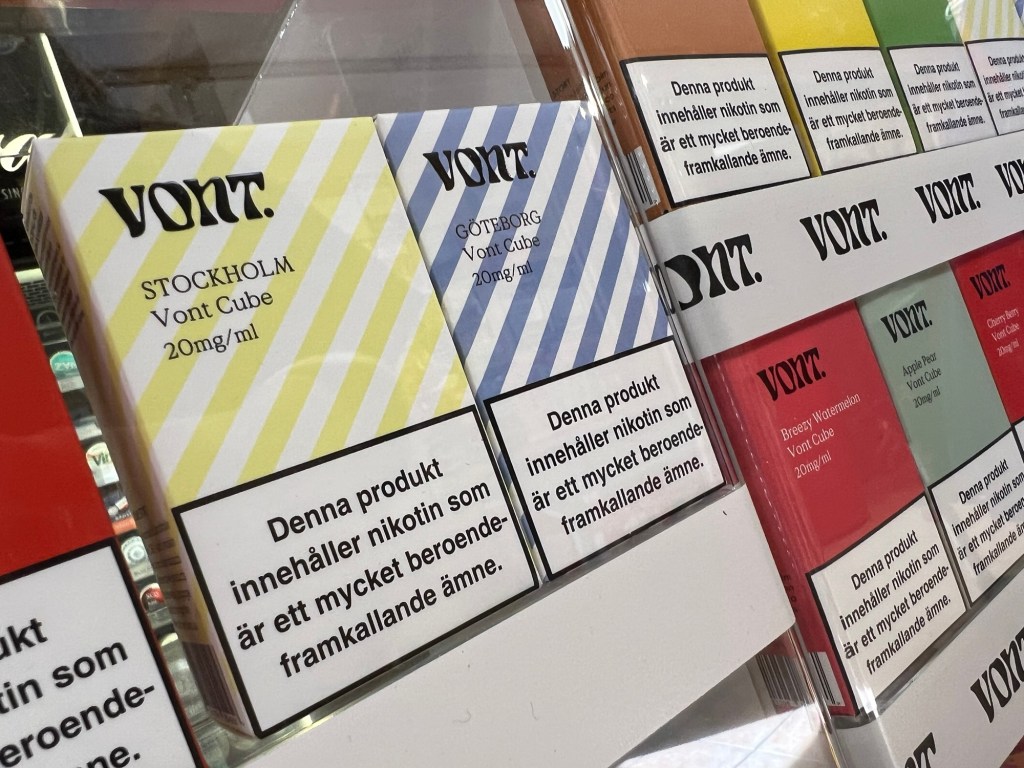
Snus (tobacco pouches placed in the upper lip) has deep cultural ties in here. So much so that when Sweden joined the EU, it secured a unique exemption from the EU-wide snus ban. Historically, snus was a staple among traditional working class men, such as timber and construction workers, who couldn’t smoke during the day. In 2016, Zyn, a Swedish company, put the first ‘tobacco-free’ nicotine pouch product on the market and in a few years, new brands have flooded the market with flavoured variants and sleek packaging. Rosaria explained that the real ‘epidemic’ has unfolded among girls and young women – most of whom, she argued, would have likely not have used traditional snus. Rosaria shared her concerns about pregnancy and fetal development, given the exposure to high strength nicotine. Consumer confusion about nicotine strength is real: manufactures use tiny print or “visual dots” to indicate strength, which is not standardised or contextualised. She explained that, many users admit they judge their use by “three dots” with little sense of what does that means.
Dr Gita Gale added a vital clinical lens to the conversation, since these pouches hit the market, she has seen a surge in otherwise young healthy individuals, presenting with gum damage and mucosal lesions. These are distinctively redder, thinner and much slower to heal than anything typically seen with snus. Gita also explained that given their alkaline pH, nicotine is observed through the mucosa into the bloodstream rapidly – spiking heart rate and blood pressure.
Gita emphasised that around two thirds of the research on pouch harms is industry affiliated. Gita is currently leading one of Sweden’s first independent five-year projects to build a clinical picture on potential oral harms.
Further detail on my discussions on tobacco and nicotine control across the Nordics can be found here.
Reflections
- What can the UK learn from Sweden’s approach to youth engagement, beyond the statutory commitment to consult public?
- How to facilitate a more joined-up, early life approach targeting oral health, to yield broader public health benefits?
- Is Sweden’s nicotine pouch ‘epidemic’ a warning sign for other countries like the UK? How do we ensure innovation doesn’t run ahead of research and regulation?
Sweden in Pictures





 Nordic Lessons