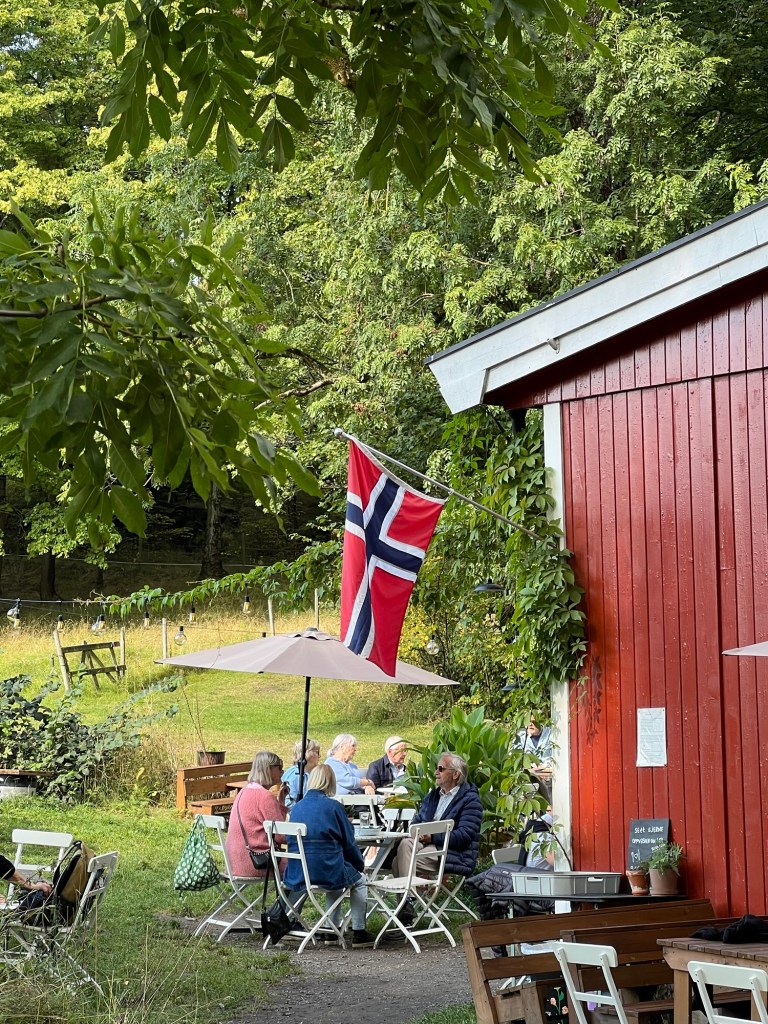
I arrived in (rainy!) Oslo – a country renowned for its stunning fjords, trillion pound sovereign wealth fund, sustainable domestic power, and a consistent high scorer in life expectancy, population happiness and healthiness.
While traveling from Gothenburg, I overheard English tourists chatting about the lack of beer available for purchase on the train. They compared this to England, where they joked that everyone here would be drinking. This made me reflect on the very different social norms and regulatory environments across countries. In the Nordic region (except Denmark) alcohol is sold exclusively through state-owned retail shops. Combined with high alcohol taxes and strict pricing policies, these measures have deterred heavy drinking and reduced youth access. Another noticeable difference is the relative absence of alcohol and unhealthy food advertising. In my experience, bus stops and metro stations feel less cluttered – not just because of fewer people but because there were far fewer adverts competing for attention. Personally I found public areas quieter and less cognitively cluttered, allowing space for art or public information.
This week, I’m meeting with several academics: Professor Egil Nygaard (HeaLS project), Anders Bakken (Ungdata and youth research), Professor Elisabeth (digital wellbeing) and Dr Karl Lund (tobacco and nicotine research).
- Health and Life Skills Reform
- Digital wellbeing
- Youth data Surveillance
- Norway’s Nicotine Dilemma
- Reflections for the UK
- Norway in Photos
Health and Life Skills Reform
I met with Professor Egil Nygaard at the University of Oslo, who leads the HeaLs project – a major study evaluating Norway’s new curriculum reform on health and life skills. Our conversation left me with a deeper appreciation of how prevention and promotion can be woven into schools, and what lessons this might hold for the UK policy.
Norway’s school system underwent a significant reform starting in 2020, influenced by the ambitions of the national health literacy strategy and a growing recognition of mental health challenges – particularly among adolescent girls. Egil explained that the shift towards prevention and promotion was motivated by data showing increased rates of depression and anxiety, and the practical reality that not all students could access specialist mental health support. “We had to shift towards promotion and prevention.” Schools became the logical intervention point: “Where do you actually reach everyone? That is in kindergarten and schools.”
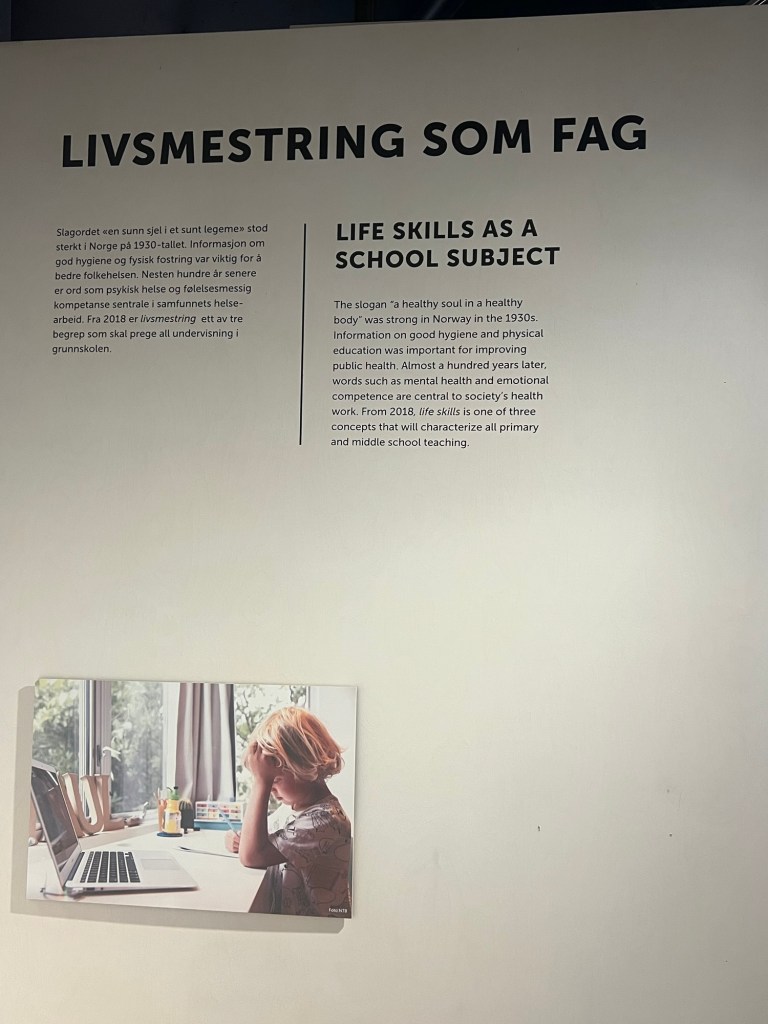
The 2020 curriculum reform included the addition of the Public Health and Life Skills (Folkehelse og livsmetring) as an interdisciplinary topic for every pupil. Unlike the UK’s RSHE, which is standalone subject, Norway’s approach blends health studies into all subjects. For example, pupils might analyse nutrition labels or personal finances in maths, or in language classes they cover communication skills. This model aims to equip students with health literacy as an everyday competency.
Egil explained the difference between prevention (avoiding negative outcomes like depression or substance misuse) and promotion (reinforcing positive identity and happiness). Norway’s curriculum reform favours a “promotion” angle – a shift towards cultivating wellbeing and resilience, not simply warning against risks. For example, learning about what makes you happy, not only education on mental health conditions.
Whilst the government has defined goals, implementation details are left to the schools discretion. This has led to marked variations in how these topics are delivered. For example, some schools dedicate a week to mental health across subjects, other integrate it year-round, and some continue older specialist programmes. The “step wise” rollout across the grades also provided researchers with a ‘natural experiment’, allowing a comparison between early and late adopters for impact on mental health, academic performance and school environment. The ambitious HeaLs project (2020-2028), delivered by a team of 20 researchers, aims to evaluate which approaches have had a greater impact on improving mental health.
Egil emphasised the need for longitudinal, national-level research. “It takes 10-20 years to truly judge reform effects. You need registers, you need patience, and you need to keep attitudes and laws evolving.” Although the HeaLS project is still in the data collection phase, Egil noted that there is already a “large variation between schools in outcomes like mental health” – underlying the real-world significance of school environment.
My conversation with Egil touched on broader approaches to child development and prevention. Egil emphasised that “life skills” in Norwegian curriculum encompasses more than factual knowledge, but rather it aims to nurture self-efficacy and resilience. “Self-efficacy is really important: trust that you are able to cope with whatever happens, including negative things,” he explained.
Digital wellbeing
Studies show that although Norwegian youth spend more time online than their UK counterparts, they consistently report less harm from digital environments. To unpack this, I had the pleasure of meeting Professor Elisabeth Staksrud, one of Europe’s leading experts on children’s digital lives and rights. Elisabeth’s research spans three core areas: research ethics and academic freedom, children’s online autonomy and the balance between regulation and children’s rights to expression. Elisabeth coordinates the EU Kids Online network, an influential multi country research initiative running large scale surveys and comparative analysis.
Powered by cappuccinos, we got talking about Norway’s famous ‘risk and resilience’ approach, where risk is seen as potential for growth, rather than something to be avoided in Norwegian society.
To illustrate this she shared a memorable story of from her local school. When a new outdoor climbing structure was built, the school sent a note to the parents making them aware that in the first few weeks, some children may break their arms or legs before they master this. Rather than shutting down risk, parents celebrated this as a necessary part of growth and learning. “If children are never exposed to risk, they never had the opportunity to master challenges and develop independence” Elisabeth explained. Norwegian parents see taking manageable risks as a route to self-mastery. This felt like a contrast to the UK, where minimising hazards is often our immediate instinct.. cue the imaged daily mail headlines if a British school was sent such a letter.
This philosophy runs deep throughout Norwegian child-rearing which is rooted in the value of independence. From leaving prams outside shops to encouraging unstructured, children free play, children are encouraged to explore their environments without adult interference. During my travels, I often saw kids climbing trees unsupervised or making their own way to school. Cross-national surveys show the difference in mindset: UK parents typically prioritise safety, good manners and respect for elders highly while Norwegian parents are more likely to prioritise independence.
We then turned to how this culture translates into the digital world. A striking metaphor of the difference in cultural values Elisabeth uses is that of film ratings. Studies show that the UK has the strictest classifications in Europe, frequently restricting content based on nudity or language, while Norwegians are more concerned with what might frighten a child, such as a dark atmosphere.
This risk and resilience model extends into the digital literacy. Norway has included digital skills and literacy as the “fifth basics skill” in its national curriculum, alongside reading, writing, oral expression and mathematics. From early childhood, all students are expected to build digital competences. Digital competence is woven throughout every subject. Pupils not only learn about privacy and online safety, but are encouraged to evaluate digital sources, collaborate online and express themselves responsibility. The priority is about having open conversations about challenges and choices, rather than strict rules or bans.
Youth data Surveillance
Established in the 1980s, Ungdata has become integral to Norwegian youth policy. It offers nearly every municipality a powerful, routine insight into lives of young people at the local level. Surveys now include children aged 10 to 18, covering topics from general wellbeing to substance use to relationships.
I spoke to Anders Bakken, director of the Ungdata centre, to further understand Ungdata’s feedback loop – and how this influences polices. He explained that once surveys are completed, tailored reports are sent direct to municipalities, detailing clear and easy-to-interpret information, such as trend lines, for each age group. Regional centres support municipalities with the implementation and interpretation of the results. In some regions, they host seminars to bring stakeholders together: schools, police, youth services and young people themselves – to translate data into action. Local leaders are encouraged to use findings to inform their decisions with reports made publicly available. This transparency and accessibility creates public discussion and nudges local actions. It also enables municipalities and regions to address local needs, rather than relying on national averages. This granularity has made Ungdata incredibly influential in media and political discussions – Anders inbox is rarely quiet.
When speaking about recommendations from Norwegian’s experience, Anders set out how focusing on clear, interpretable indicators makes it easier to track and act on than more complex social attitudes which can be harder to define. He emphasised “If someone wants to create a system like this, make the indicators straightforward so people know what they mean.” Standardisation in definitions and measurements, whilst a challenge, is a necessity to allow for meaningful comparison.
Norway’s Nicotine Dilemma
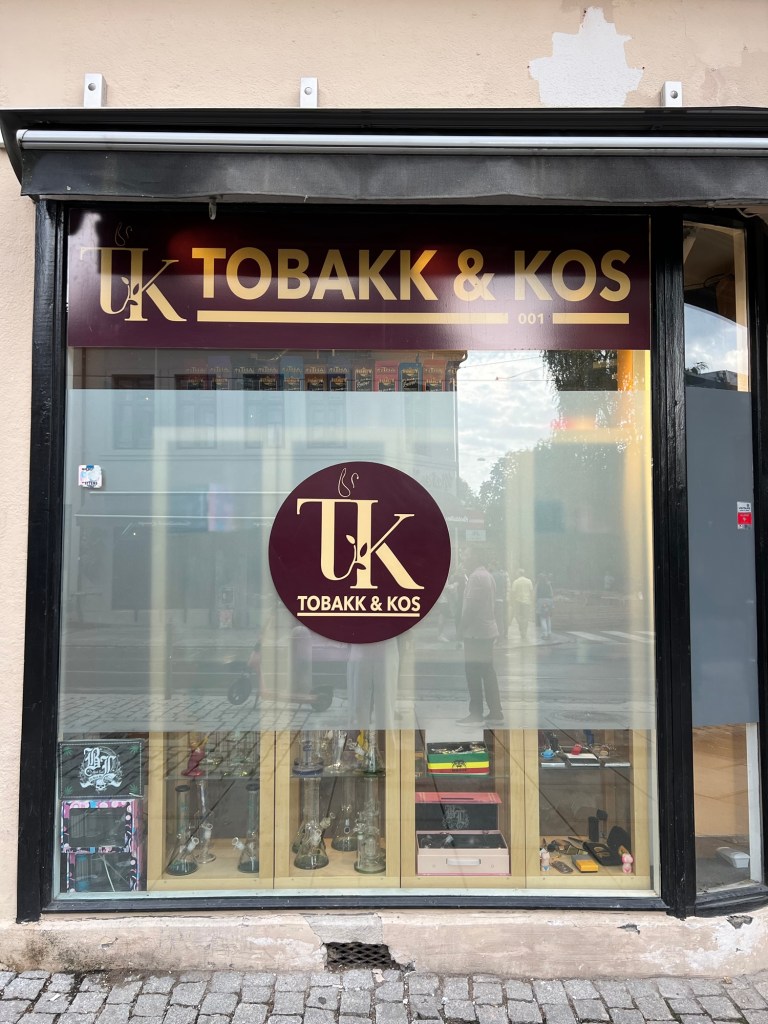
I sat down with Dr Karl Lund and FHI colleagues to understand the current tobacco and nicotine regulatory landscape in Norway. Norway has one of the lowest smoking rates in Europe, likely attributed to their comprehensive tobacco control measures.
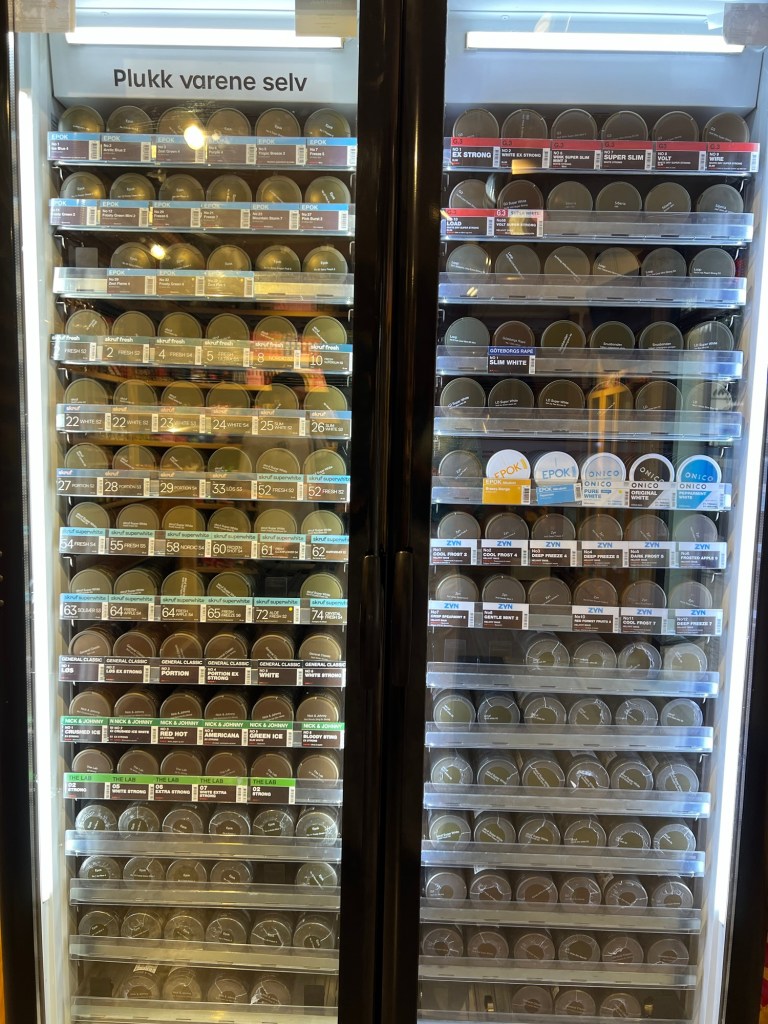
However, Norway retains a cautious stance towards new nicotine products. Nicotine vaping devices and nicotine pouches remain prohibited, reflecting a strong national stance for precaution over harm reduction. Karl, a leading advocate for harm reduction, represents a minority viewpoint in Norway’s public health. His work to date highlights Norway’s challenge: balancing proven tobacco control successes with emerging questions about how best to address the risks and potential benefits of alternative nicotine products. Further detail on my discussions on tobacco and nicotine control across the Nordics can be found here.
Reflections for the UK
The UK has made valuable progress in introducing statutory RSHE lessons, but policies still tend to learn towards protection and restriction over empowerment and resilience. Insights from Norway make a compelling case to embrace a risk and resilience model. The HeaLs project is one to watch. For anyone working in youth mental health and prevention, the potential impact of these findings is enormous.
- How are we improving health literacy among young people?
- Are we prioritising evidence-based, long-term policy evaluations instead of relying on satisfaction ratings?
- Should we invest as much as energy in building resilience as we do in restrictions?
- How can we strengthen and integrate local youth data systems to support tailored interventions?
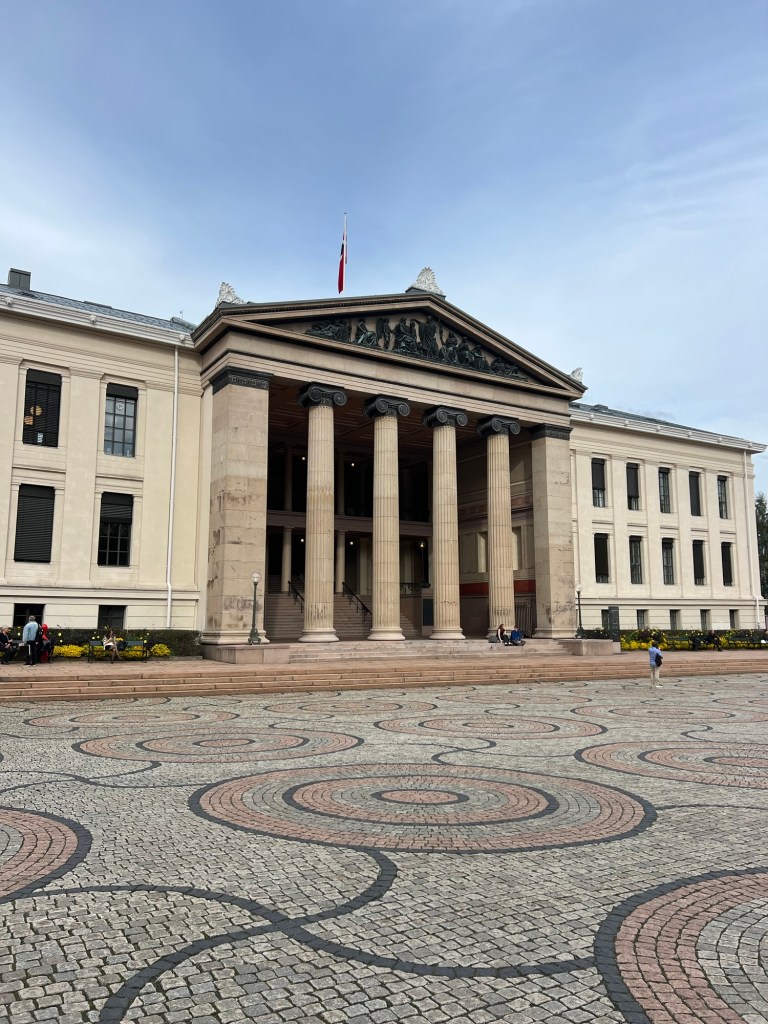
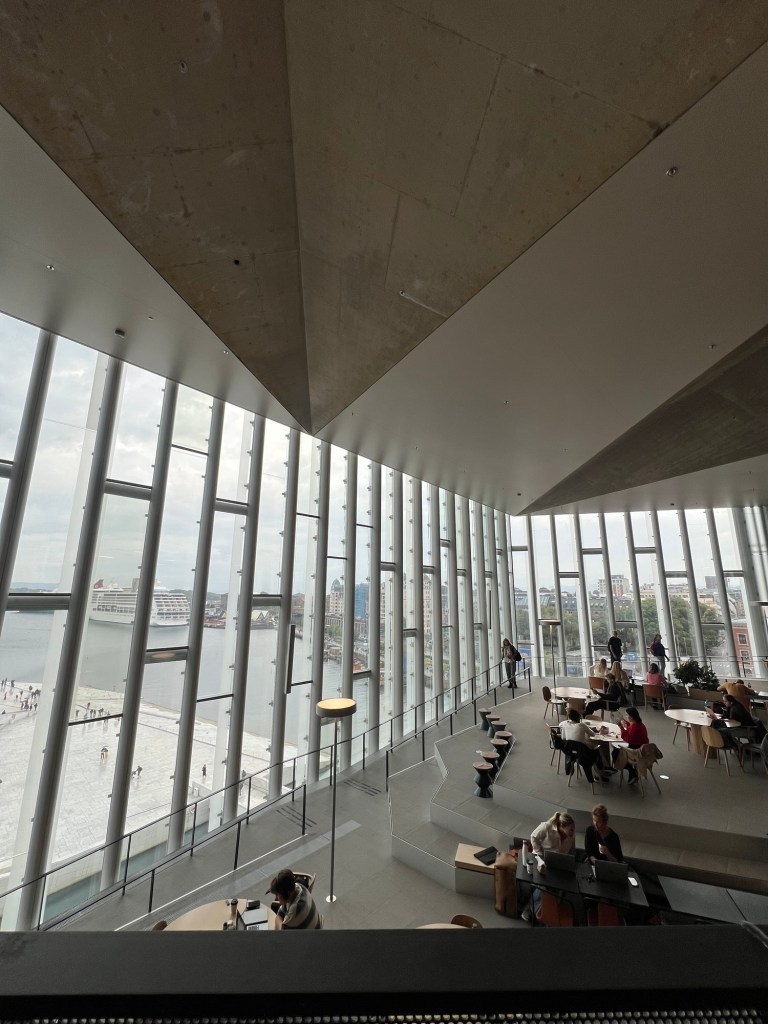
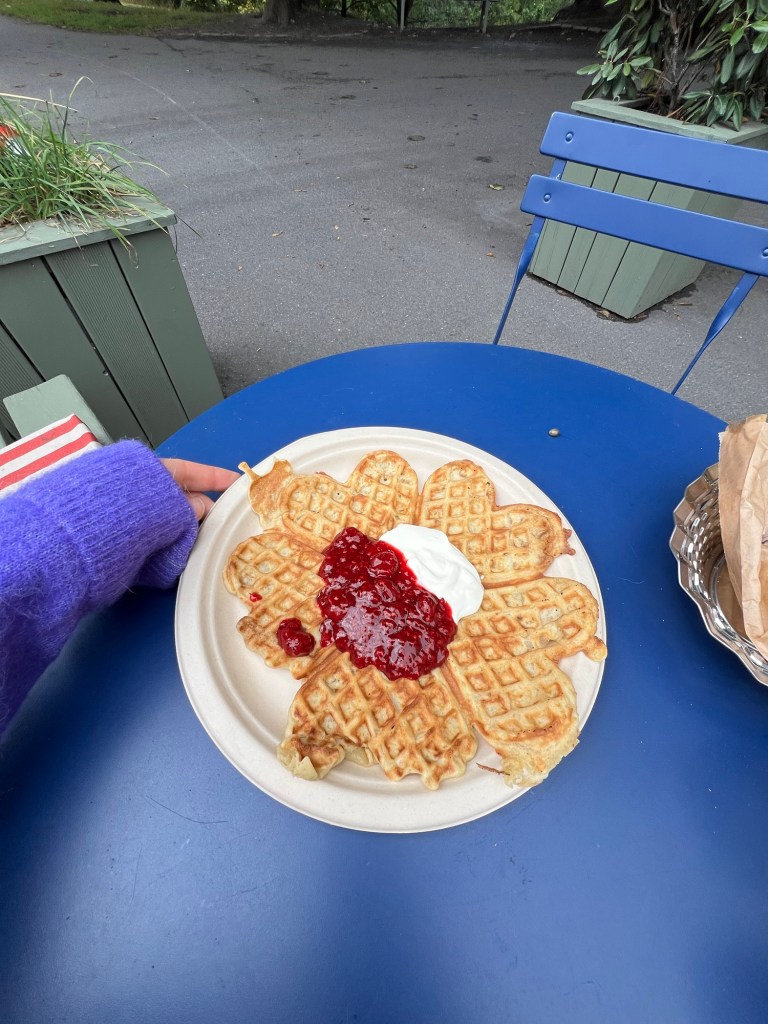
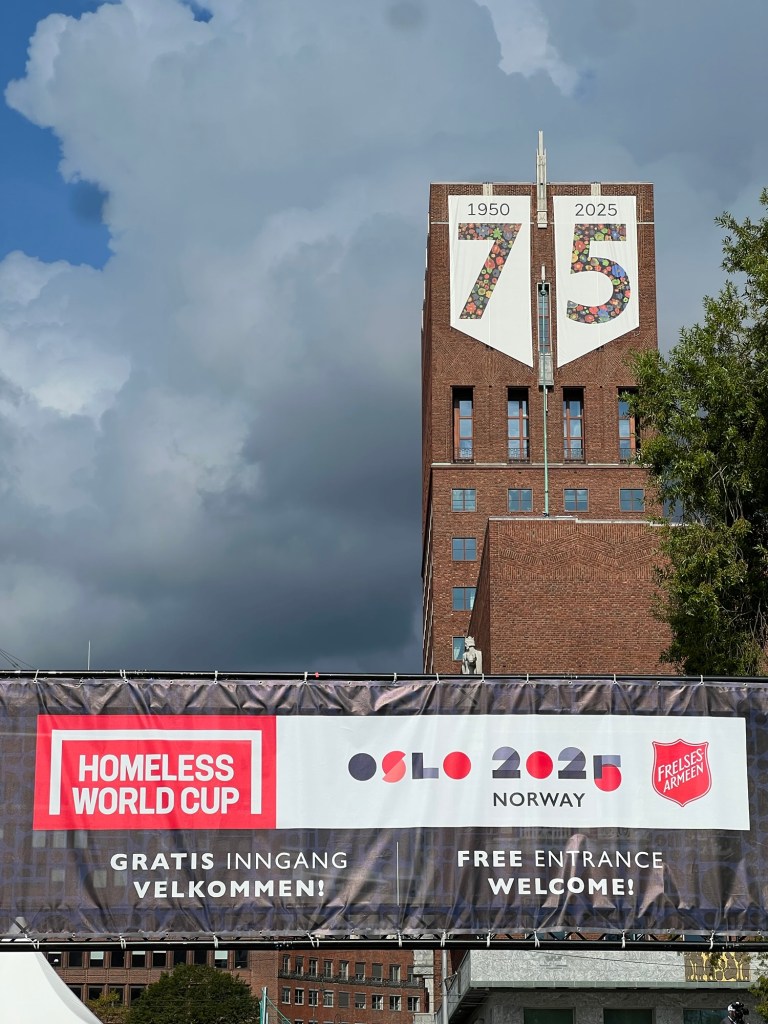
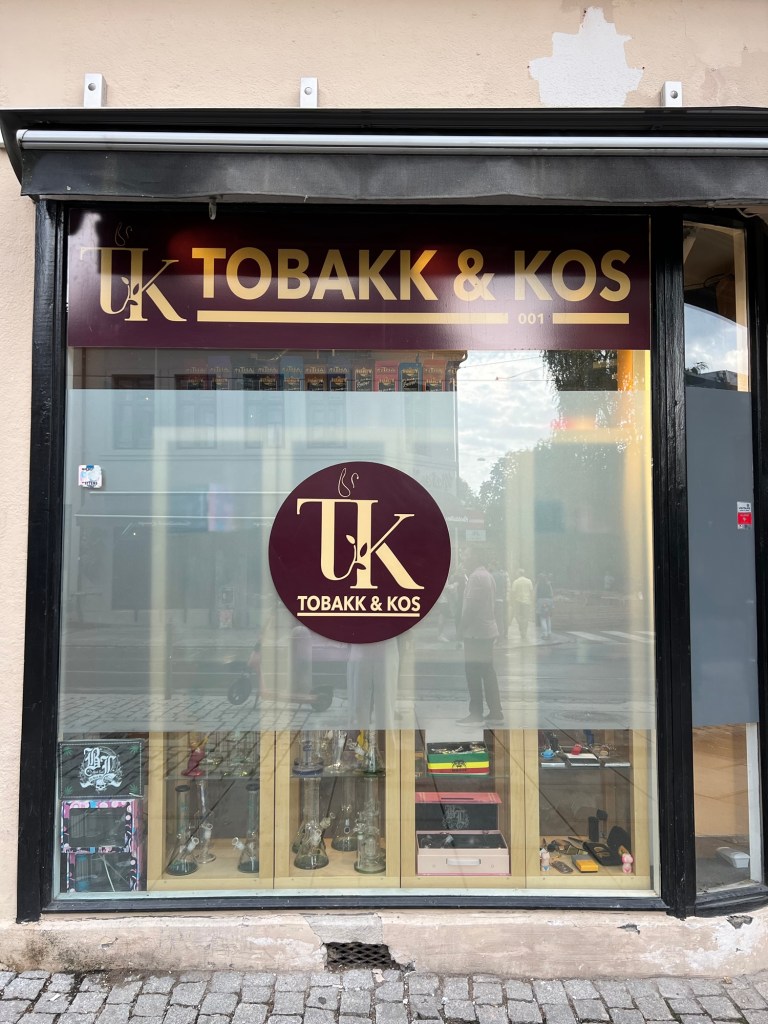
Norway in Photos


 Nordic Lessons