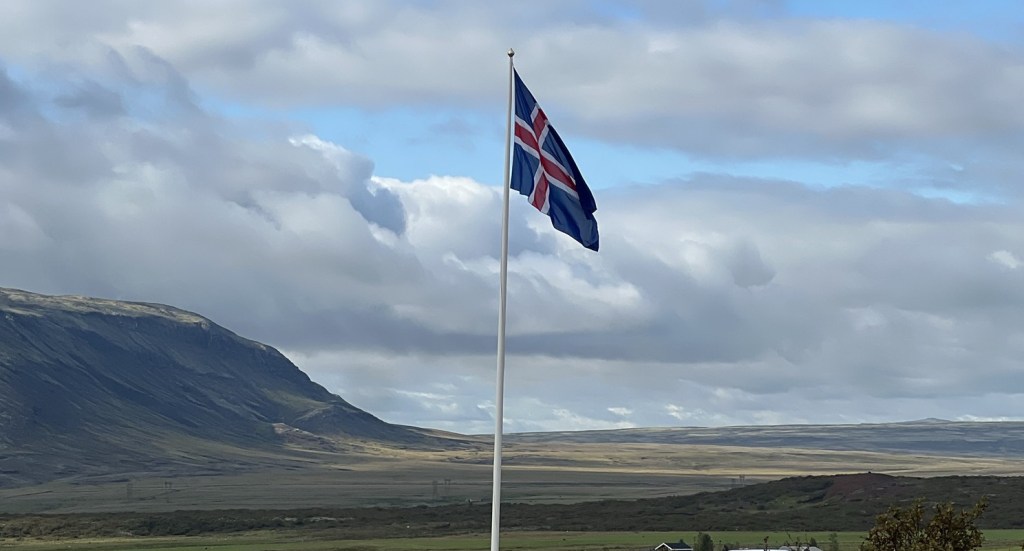
I arrived in Reykjavik early Monday morning. With just over 140,000 residents, Iceland’s capital felt serene – a stark contrast to the bustle of London. My apartment for the week sat next to a vape shop, an ironic omen.
During my time in Reykjavik, I saw how prevention is woven into everyday life, shared across the community. Conversations revealed the depth behind Iceland’s approach, built on evidence and engagement.
- Icelandic Prevention Model (IPM)
- Planet Youth
- Reykjavik’s approach
- Youth voices and volunteering
- Reflections
- Reykjavik in Pictures
Icelandic Prevention Model (IPM)
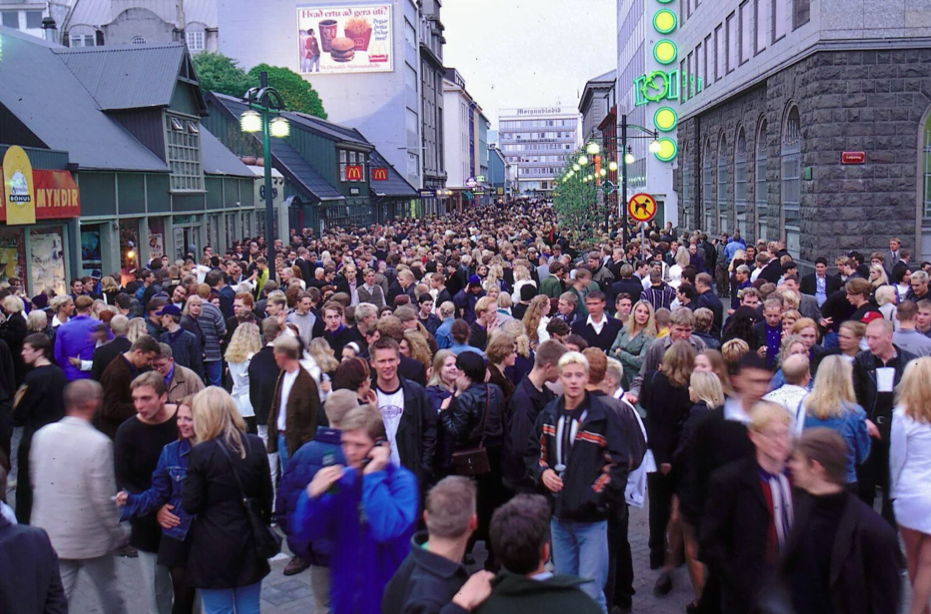
In the 1990s, Iceland faced a significant teen drinking and substance use problem. By 1998, almost half of 15-16 year olds reported being drunk in the previous month, almost a quarter were daily smokers and 17% had used cannabis. In response, academics and politicians came together to develop a collaborative upstream prevention model designed to influence risk and protective factors systematically. The IPM is built on three foundational pillars:
- evidence-based practice
- community-based approaches
- continuous dialogue among research, policy and practice.
By 2016, Iceland had achieved some of Europe’s lowest youth substance use rates: recent drunkenness dropped to just 5%, daily smoking to 3% and cannabis use to 7%. Today the model operates globally through the Planet Youth platform.
Planet Youth
I had the pleasure of meeting Ingibjorg Eva, Chief Analytics and Advisory Officer at Planet Youth, with a background in psychology and public health. She explained that Planet Youth offers a guidance programme adaptable to unique community contexts, rooted in the Icelandic Prevention Model. It has been implemented in more than 19 countries – from Ireland to New Zealand to South Africa supporting communities to shape healthier youth environments.
Inga emphasised that prevention must focus on reshaping social environments, such as expanding youth access to sport and arts, rather than individual choices. She compared this to building infrastructure. “You don’t just build a random road that leads nowhere and then another random road that leads nowhere, and then hope they’re going to connect and make sure people get around… you have to have an overview.”
Inga explained how the guidance programme bridges the connection between research, practice and policy by ensuring an ongoing loop of continuous monitoring. Practitioners – “the boots on the ground” – spot emerging trends before they are documented in research. Feeding this knowledge into policy creates a living loop: prevention is never static or a “one size fits all” but constantly adapting to evidence and local ownership to meet the next challenge as a community.
Reykjavik’s approach
My meeting with Guroun Halla, the city’s prevention officer, brought the model to life. With 20 years experience working with young people, she now coordinates prevention across youth, leisure, and welfare departments.
Here, several measures embody the IPM in action:
- Outdoor hours” policy: legal curfews require children to be home by 8pm and by 10pm in summer.
- Leisure cards: every child receives a funded leisure card (~500 euros) annually to ensure equal access to extracurricular activities/
- Parental night walks to encourage teenagers to go home
- Regular public campaigns such as ‘Stay Smart‘ mobilising parental involvement
Halla shared the summer campaign with me, which embodies the IPM commitment to parental unity and action:
“The good results in prevention work over the past decades have been achieved, among other things, through parental unity – parents communicating with each other, not allowing unsupervised gatherings, and respecting laws on age limits regarding alcohol, drugs, nicotine use, and curfews. Supervision and boundaries in upbringing from birth are extremely important.”
Youth voices and volunteering
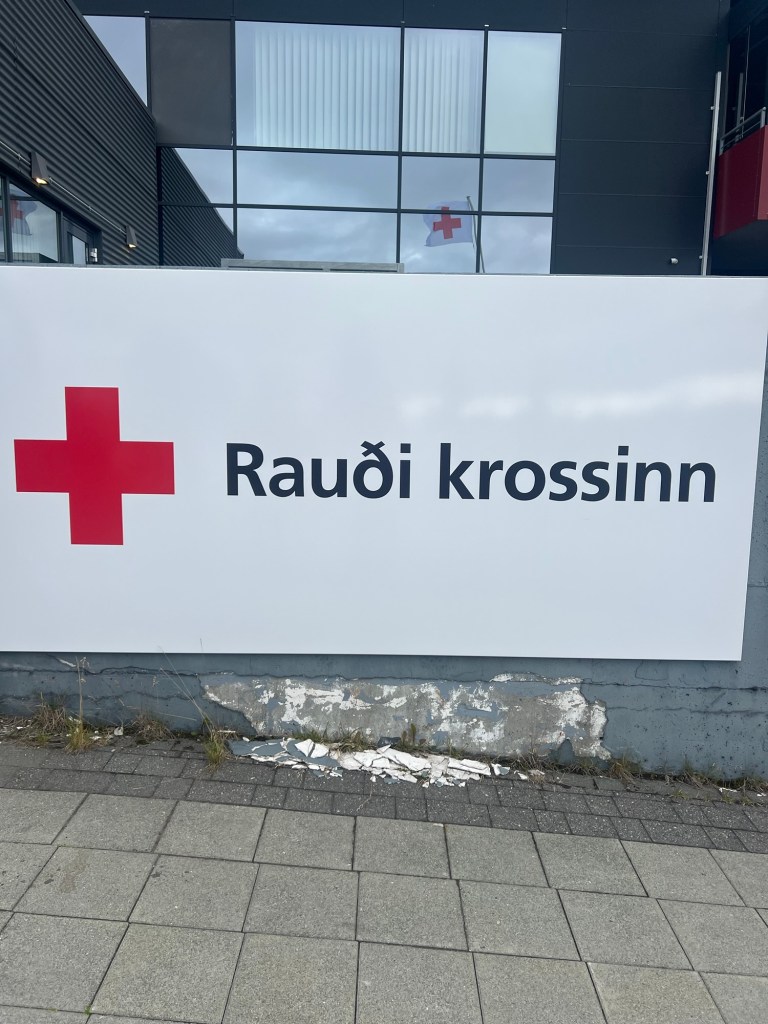
I also chatted to Sibba at the Icelandic Red Cross who designs youth engagement and involvement opportunities for volunteer journeys. She described how volunteering itself is part of prevention action – offering purpose, enhancing compassion, building social connections and broadening perspectives. These address many of the challenges Guroun and I had discussed the day before.
The Icelandic Red Cross contributes through several programmes from a 24/7 free, national helpline to peer-support programmes. It involves youth not only in volunteering activities but also in co-designing and leading programmes. Recently, they have established a new active youth committee to embed youth in governance and programme design to ensure youth share the strategy. Sibba was keen to stress: “Youth are more than the leaders of tomorrow – their importance is here and now.”
As a mother, Sibba was supportive of the time curfews and leisure cards but also gave a nuanced perspective of how the IPM plays out for more marginalised individuals. Refugees may not benefit equally from mainstream programmes. To bridge this gap, the Red Cross offers additional funding for refugees to engage in extra curricular activities.
Reflections
Some may question what the UK can learn from a country with Cardiff’s population size, or raise eyebrows at the concept of outdoor curfews. But what struck me most was the sense of shared responsibility and empowerment across the community, prompting the following reflections:
- Are we pulling the right levers across both protective factors, not only addressing risks?
- What shifts in funding or messaging would allow UK local authorities to better coordinate prevention efforts more effectively?
- How could we empower parental involvement more, while nurturing resilience for young people?
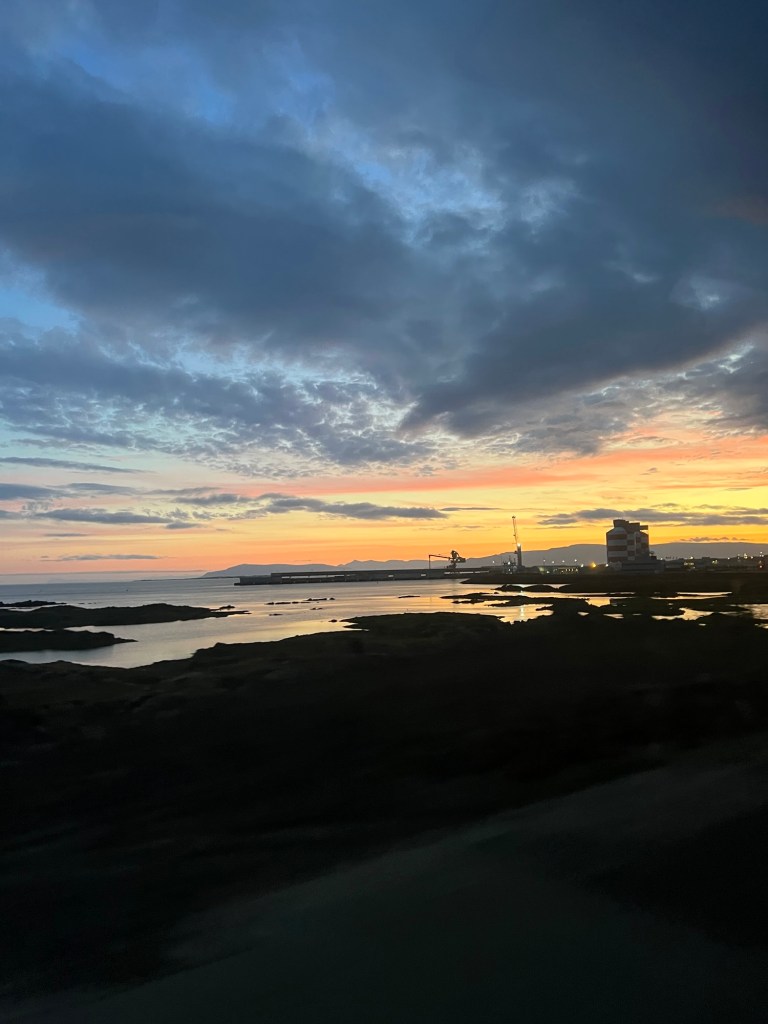
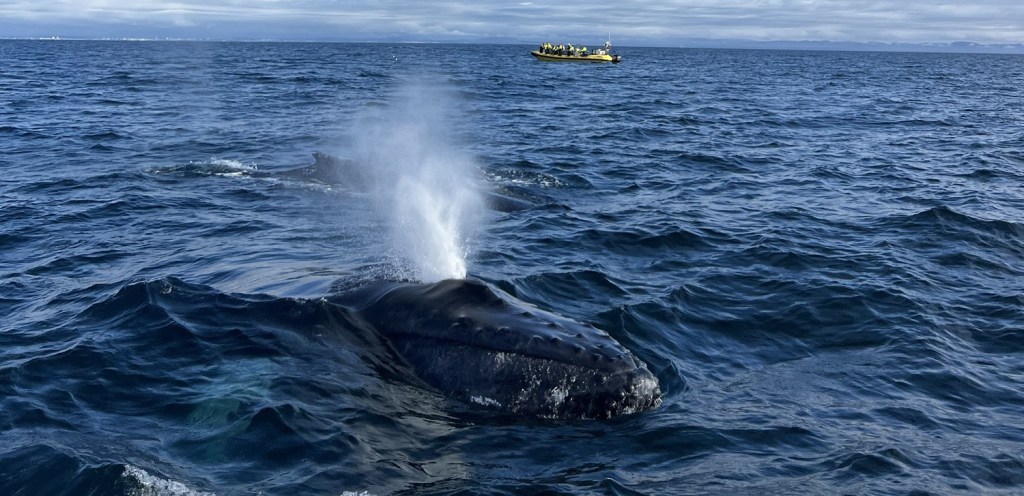
Reykjavik in Pictures

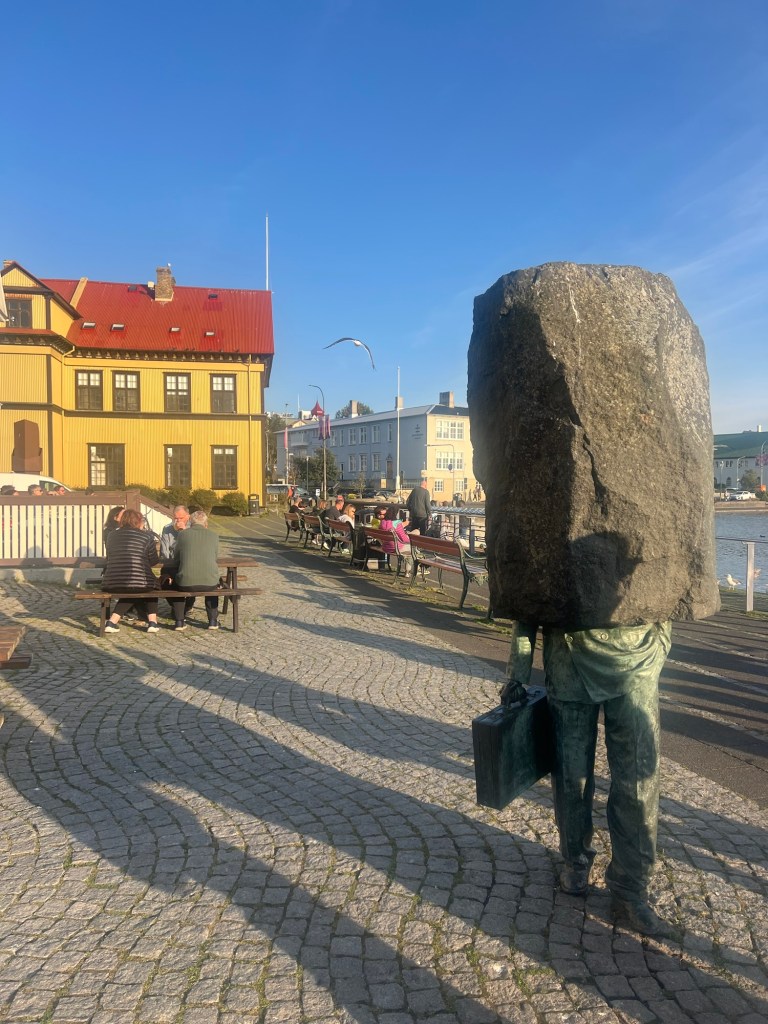
 Nordic Lessons