I arrived in Copenhagen, my final Nordic city stop, and I was instantly swept up by the buzz (and nearly by a bike) in a city that feels made for movement. The coming days would take me from school gyms to community gardens to learn more about how Denmark puts prevention into action.
A lesson in how to get FITT
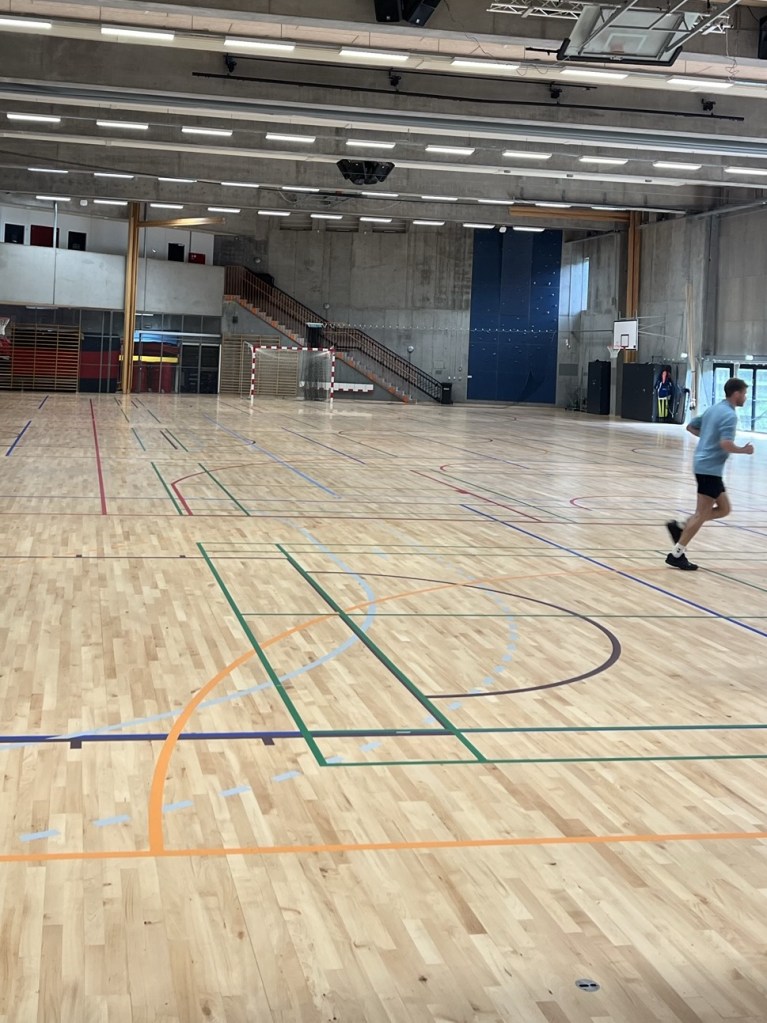
In Denmark, it is currently a national requirement for a minimum of 45 minutes of daily physical activity in schools.
I met with Peter Krustrup and Malte Nejst Larsen to get an inside view of “11 for Health” and “FITT FIRST”, Denmark’s internationally admired approaches to getting kids moving in schools.
Launched as part of FIFA’s legacy to Africa ahead of the 2010 World Cup, “11 for Health” was adapted for Danish schools under Peter’s leadership in 2014-15 and implemented in 2017. The programme uses football’s universal appeal to not only boost physical activity but to teach health literacy in creative ways – cones and drills become scenarios for discussing nutrition, hygiene and wellbeing, with peers motivating each other through teamwork. Targeting 10-13 year olds, the initiative is designed to deliver twice weekly interactive sessions in PE and other subjects. Large-scale evaluations of “11 for Health” show measurable improvements in health knowledge, cardiovascular fitness, body composition and wellbeing.
FITT FIRST is a newer school-based programme designed to help every child (regardless of background or ability) to achieve recommended levels of intense activity. Distinct from ’11 for Health’, FITT FIRST targets primary school pupils of all ages with three 40min weekly sessions focused on high-intensity, enjoyable activities. The programme offers a diverse mix, ranging from ball games, like padel, to martial arts. Designed as a ready-to-use supplement to classroom teaching, each session elevates heart rates and develops key movement skills. It is intended to supplement teaching with a ready to use, comprehensive physical activity plan. Evidence suggests the programme can significantly improve cardiorespiratory fitness, agility and favourable changes in body composition.
Enjoying Life in the Municipalities
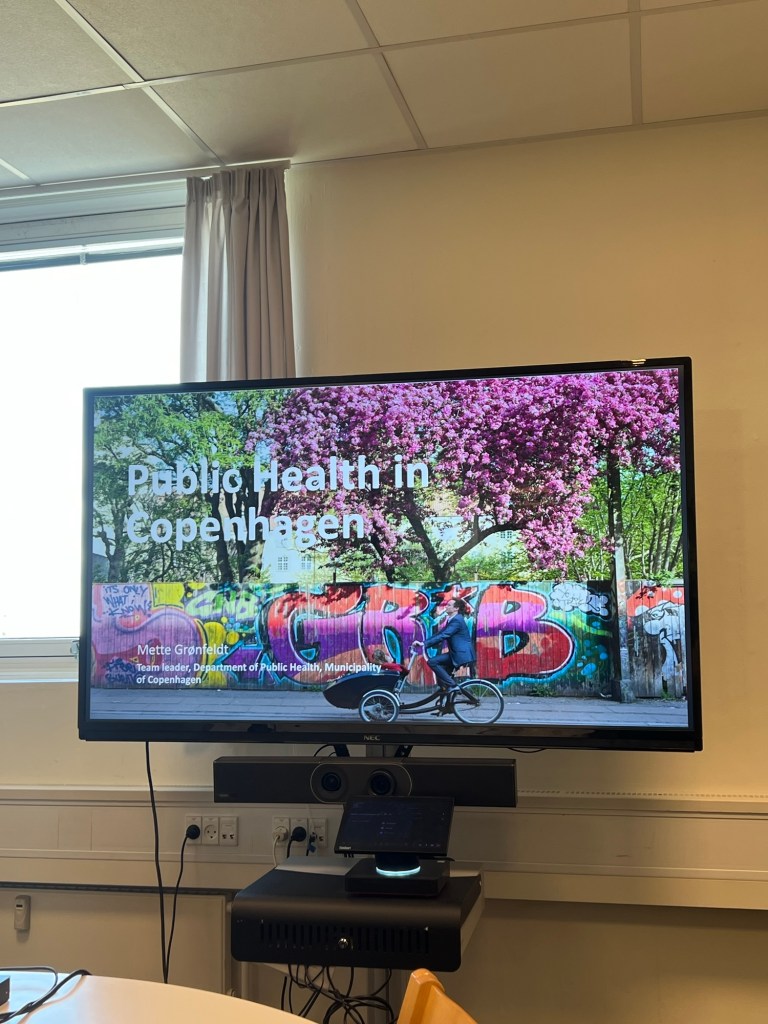
Denmark’s 98 municipalities are responsible for prevention, rehabilitation, home care, nursing, and health promotion, while regions govern hospitals and primary care. Copenhagen is Denmark’s largest municipality, and my conversation with Mette, team leader for public health, provided insight into its ambitious and challenges from smoking cessation to healthy ageing.
Mette described the “Enjoy Life” campaign, a decade-long citywide effort to deliver the best quality of life, longer and healthier lives, and, crucially, greater health equity. She explained how the work is relentlessly data-driven: each year, the city profiles the health of its schoolchildren to identify priority areas and tailor interventions at the neighborhood and even individual school level.
Tobacco and control: “Nikotinfri”
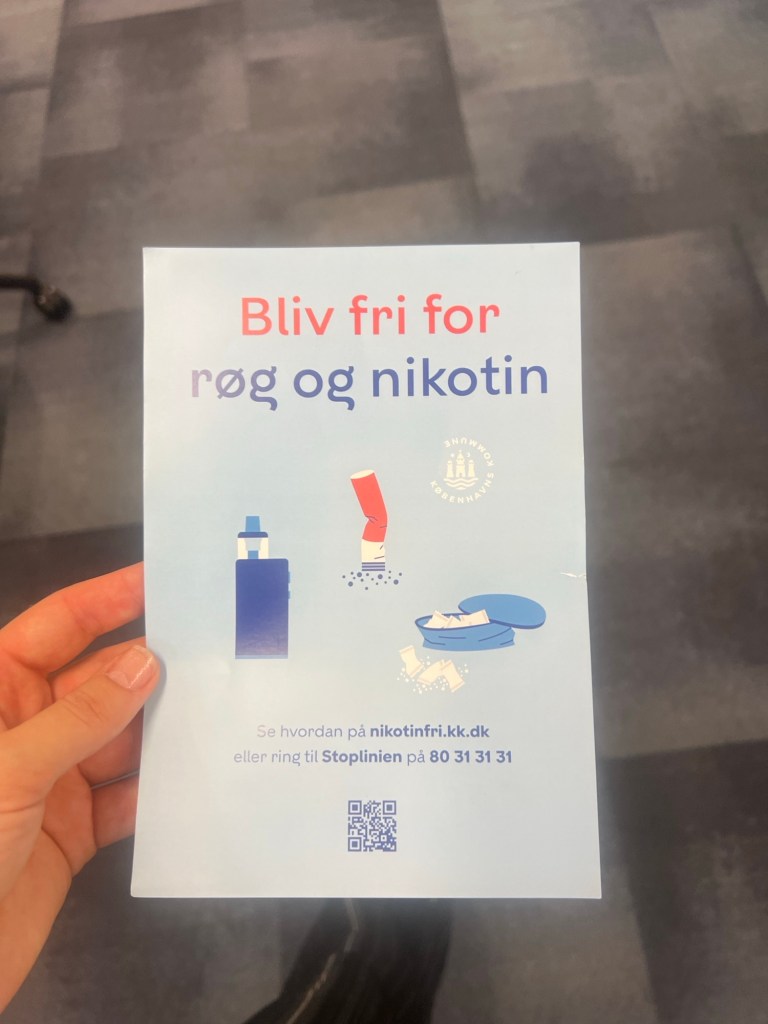
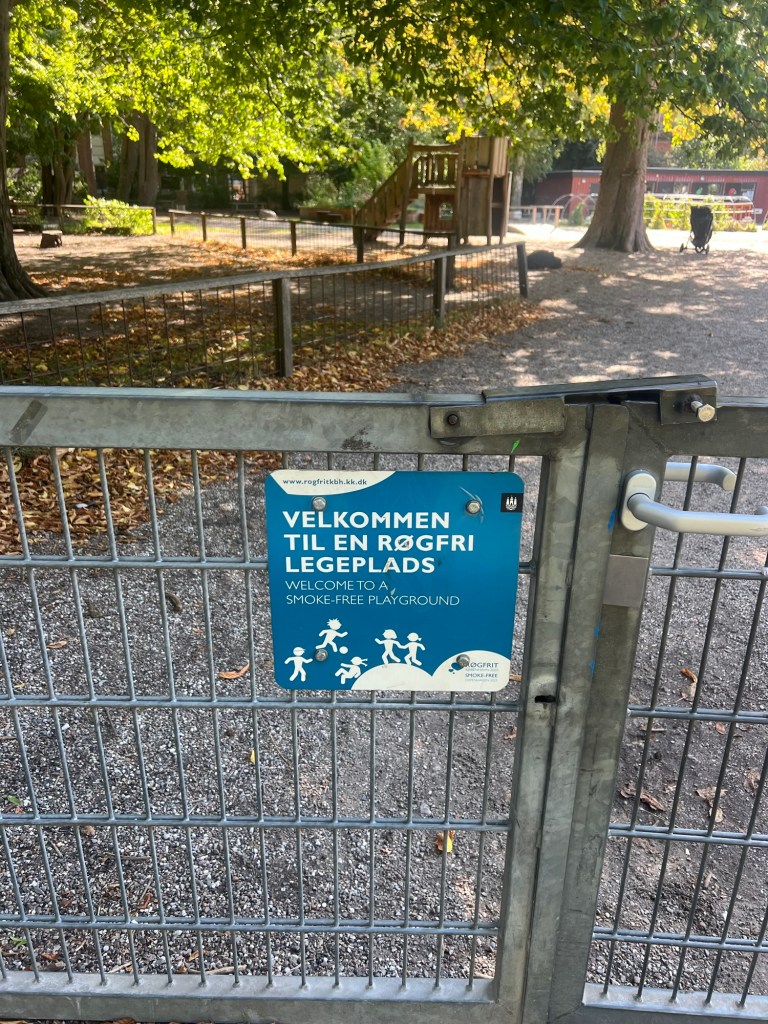
In 2012, they set a vision for a smokefree Copenhagen by 2025.
Whilst rates have declined, 14% of adults still smoke and the city is reassessing its strategy and strengthening its work on nicotine.
Nicotine cessation courses blend classic programmes with newer approaches, like taking place in nature or during yoga classes.
I had the privilege to meet with Professor Charlotte Pisinger, Denmark’s first and only professor dedicated to tobacco prevention. For years, Denmark had stubbornly high smoking rates, especially among women.
Its slow progress was party due to the strong presence of the tobacco industry headquartered in Copenhagen, which influenced politicians and delayed effective legislation. But a turning point came around 2010-12 when youth smoking rates crept upwards, which caught the attention of the public.
Charlotte described how a Smokefree Future Alliance formed, bringing together more than 200 diverse stakeholders working from public health to supermarkets and entertainment. The alliance’s advocacy helped place tobacco control on the national political agenda. The result? Major reforms, including plain packaging, point of sale bans, and stronger marketing laws.
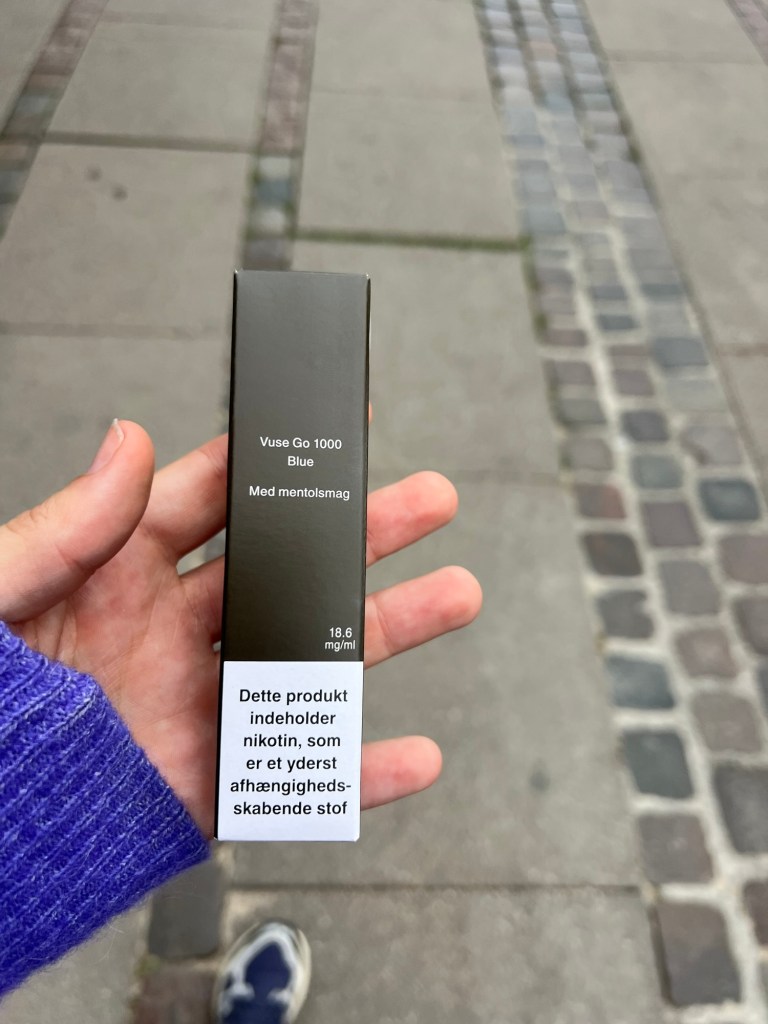
In recent years, Denmark has grappled with rising use of novel nicotine products like vapes and nicotine pouches – mainly arriving from neighbouring Sweden and faster than Denmark’s laws could keep up.
Charlotte and colleagues surveyed nearly every Danish municipality: most admitted they didn’t know how to support young people trying to quit nicotine or struggled to recruit them for group support. An innovative interventions called UNICLO targeted education for counsellors, recruitment through youth social spaces and building group-based counselling support. Early signs are promising but ongoing randomised trials are underway to see if it works.
Tingbjerg Changing Diabetes initiative
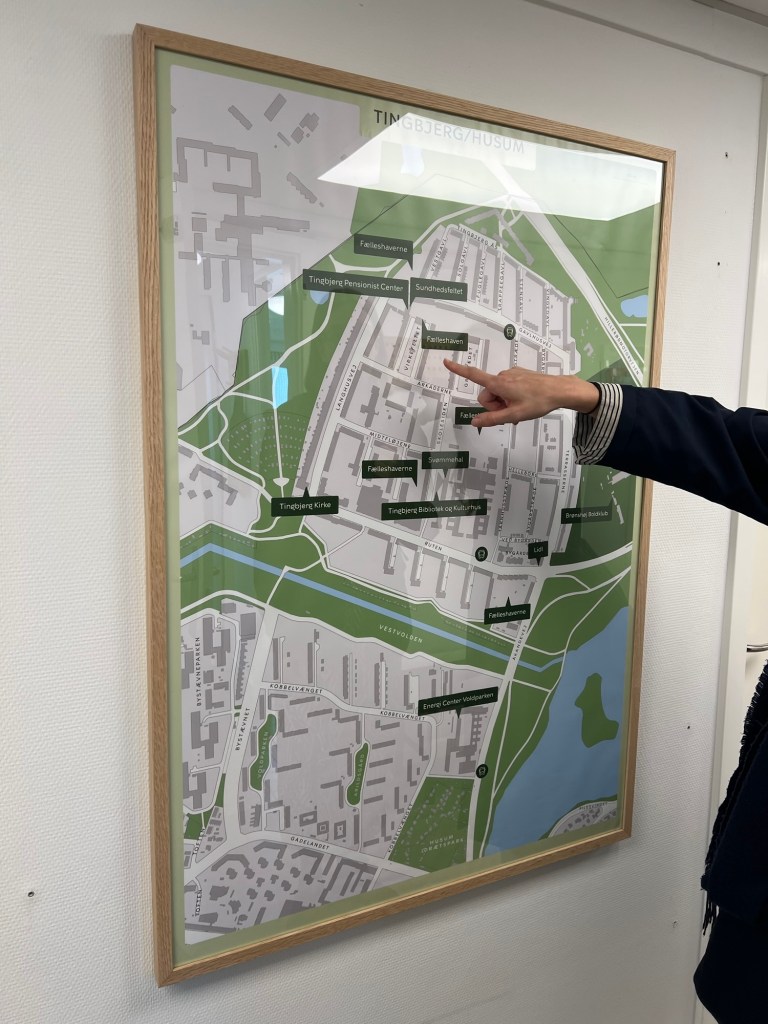
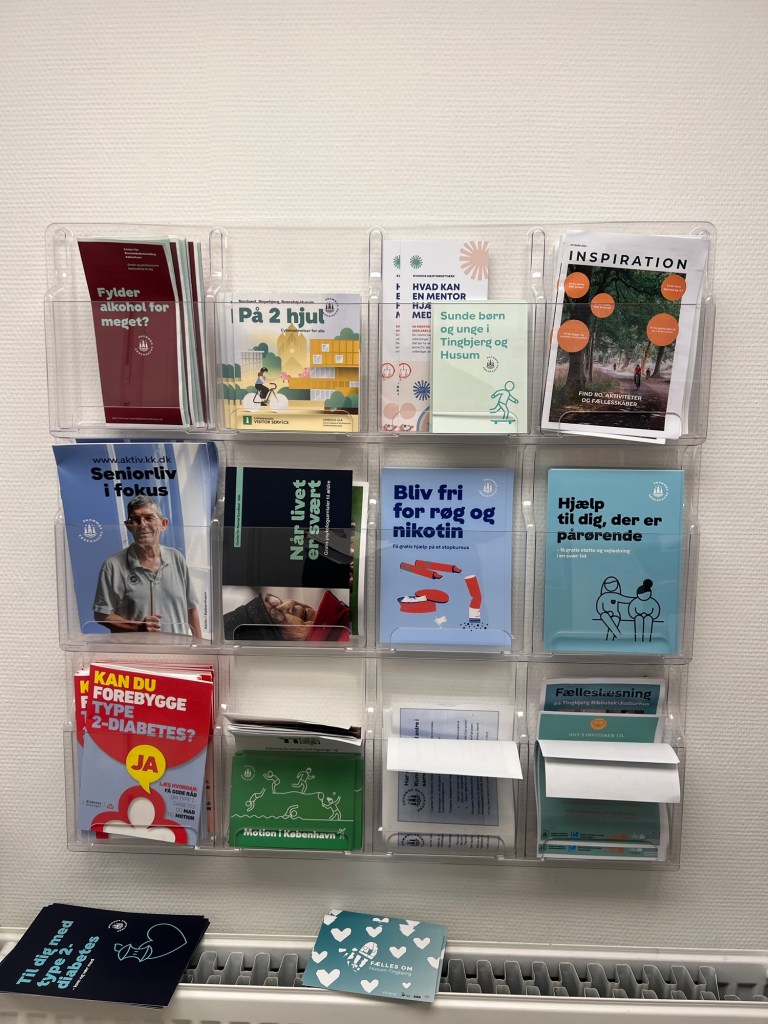
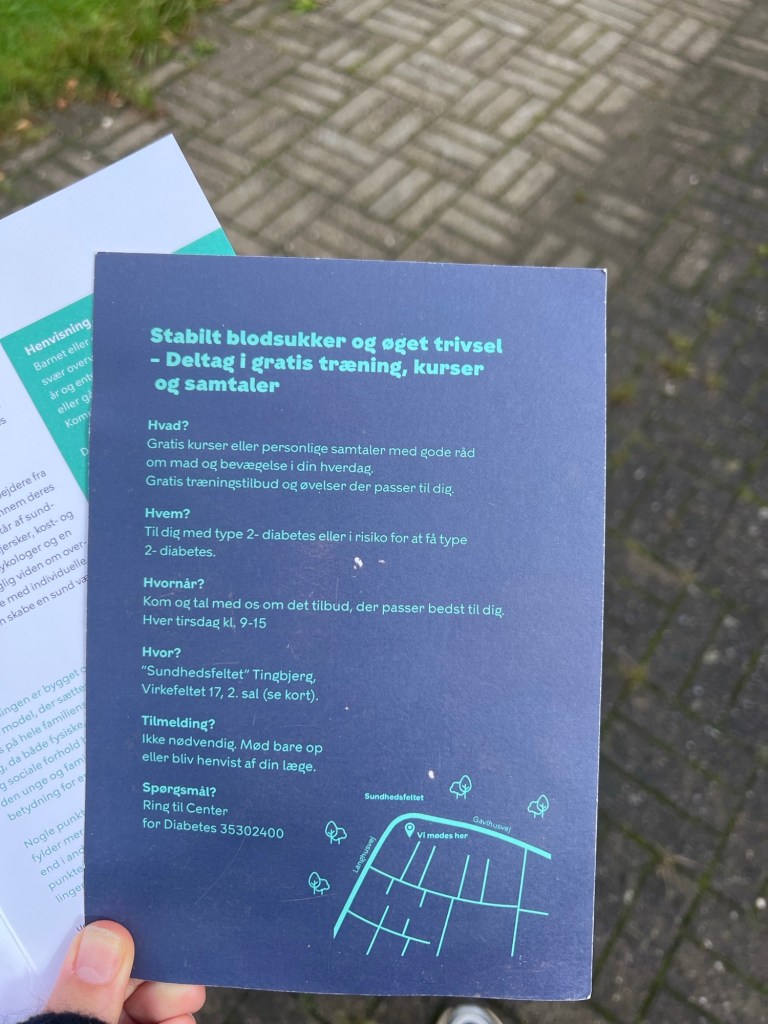
My trip included a visit to Tingbjerg, one of Denmark’s most diverse urban neighbourhoods, to learn more about their “Changing Diabetes” initiative, a community based health promotion and type 2 diabetes prevention initiative that is much more than just a medicinal intervention.
Mathilde and Tina kindly gave me a tour to bring the integrated diabetes intervention and the Happy Healthy and Active Children projects to life.
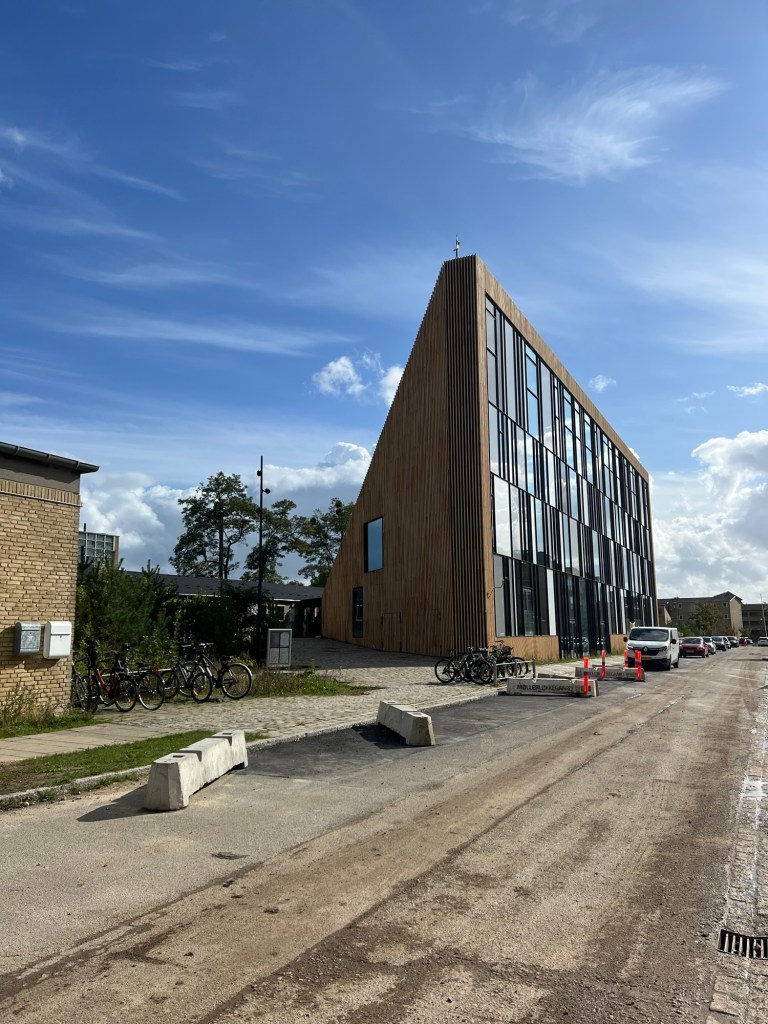
The journey began in the community garden. They spoke through the variety of different initiatives that have sprung up here – from growing herbs and vegetables in allotments to cooking classes. Next, I visited the local health centre, where you find GPs, diabetes support and rehab services all in one place. We then moved on to the health centre, which houses two GPs, on top of a rehab centre for diabetes. This aims to approach diabetes in a holistic way with preventative and targeted screening for type 2 diabetes. The school and leisure clubs were my next stop, blending nature play, outdoor living activities.connects directly with the community library, the Culture House – a new venue blending Danish tradition with a modern design.
Tingbjerg Tour:



Reflections
- What could new UK towns and regeneration projects learn from Tingbjerg about creating communities with health promotion embedded?
- What would it take to make regular, effective physical activity as normal for UK children as in Denmark?
- How might UK services better support youth nicotine cessation, learning from Denmark’s municipality approach?
Denmark in Pictures

 Nordic Lessons